
Units of the Institute
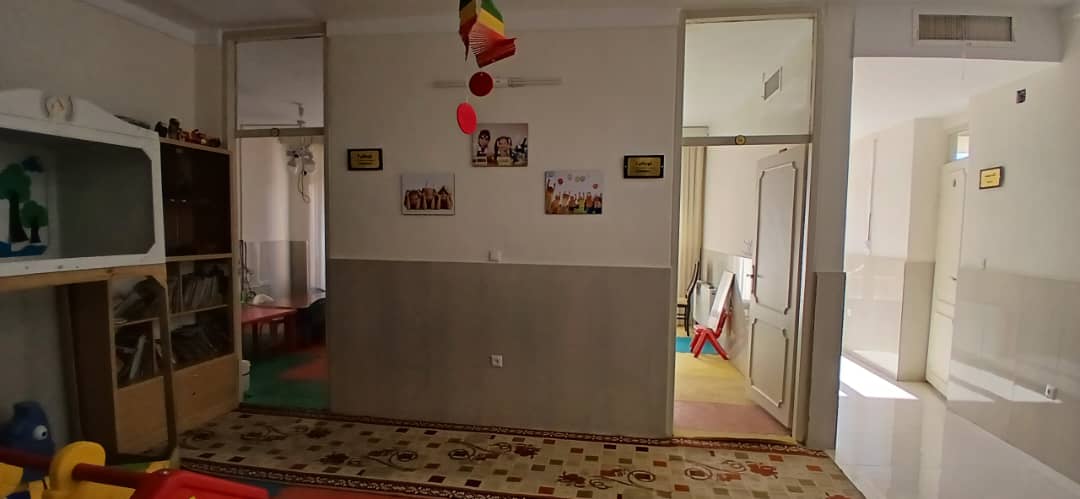
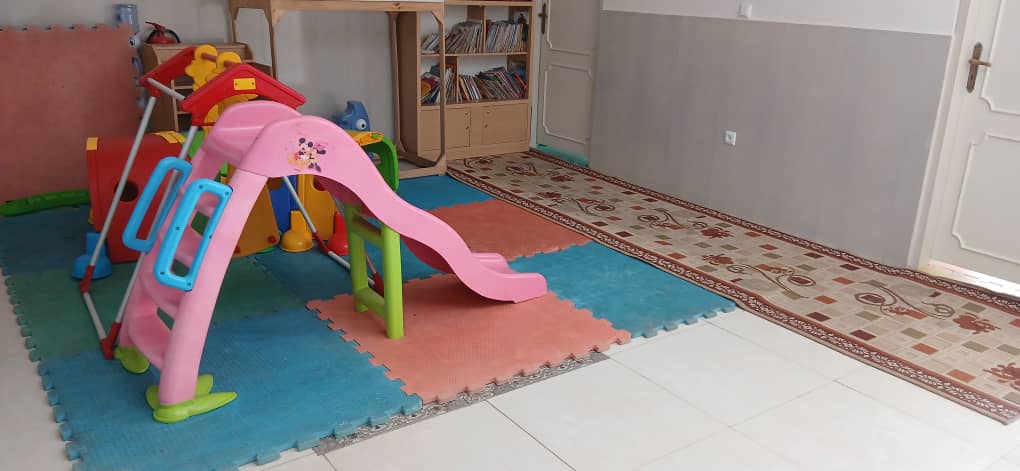
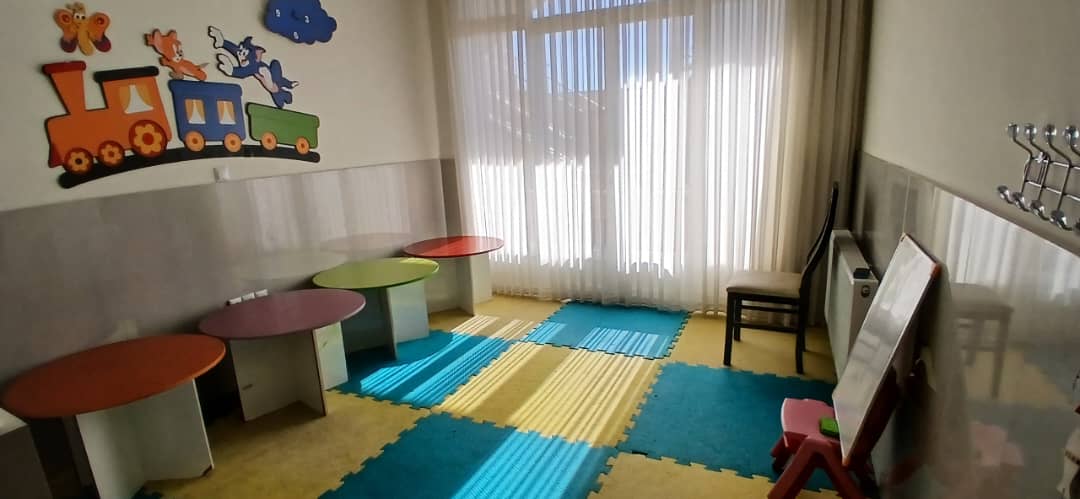
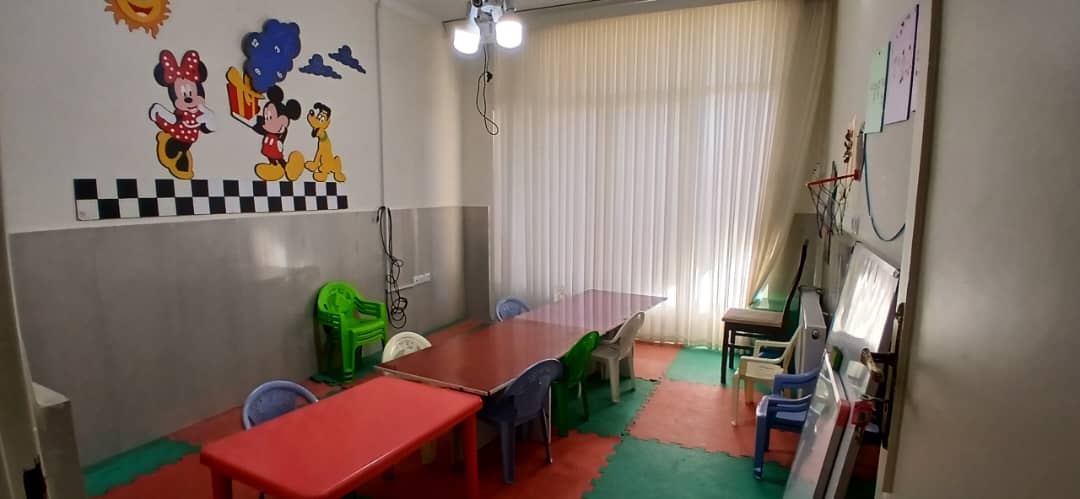
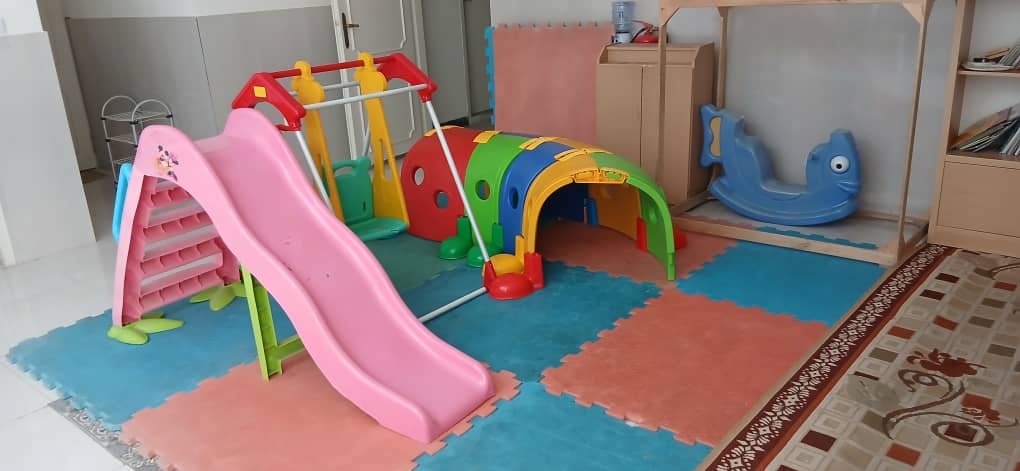
Goals and Activities of the Children’s Unit
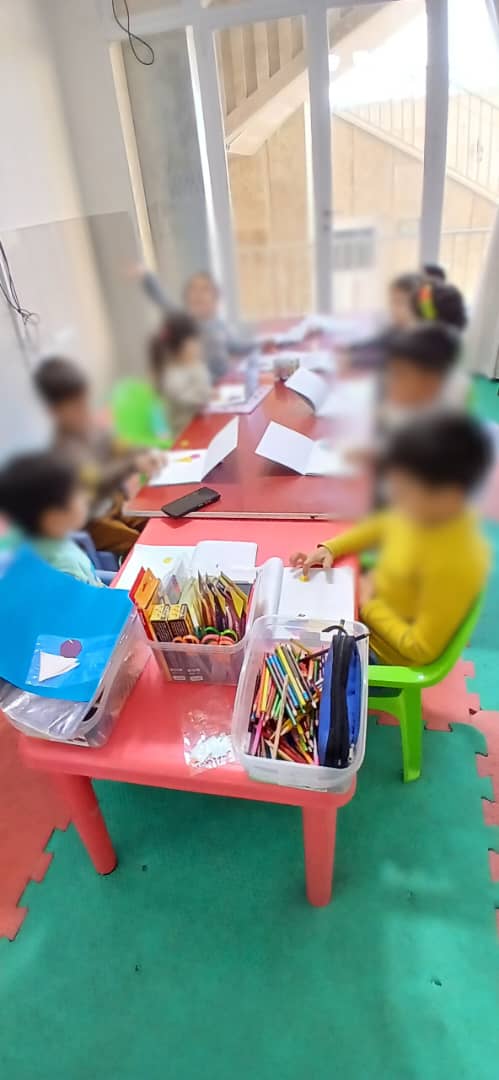
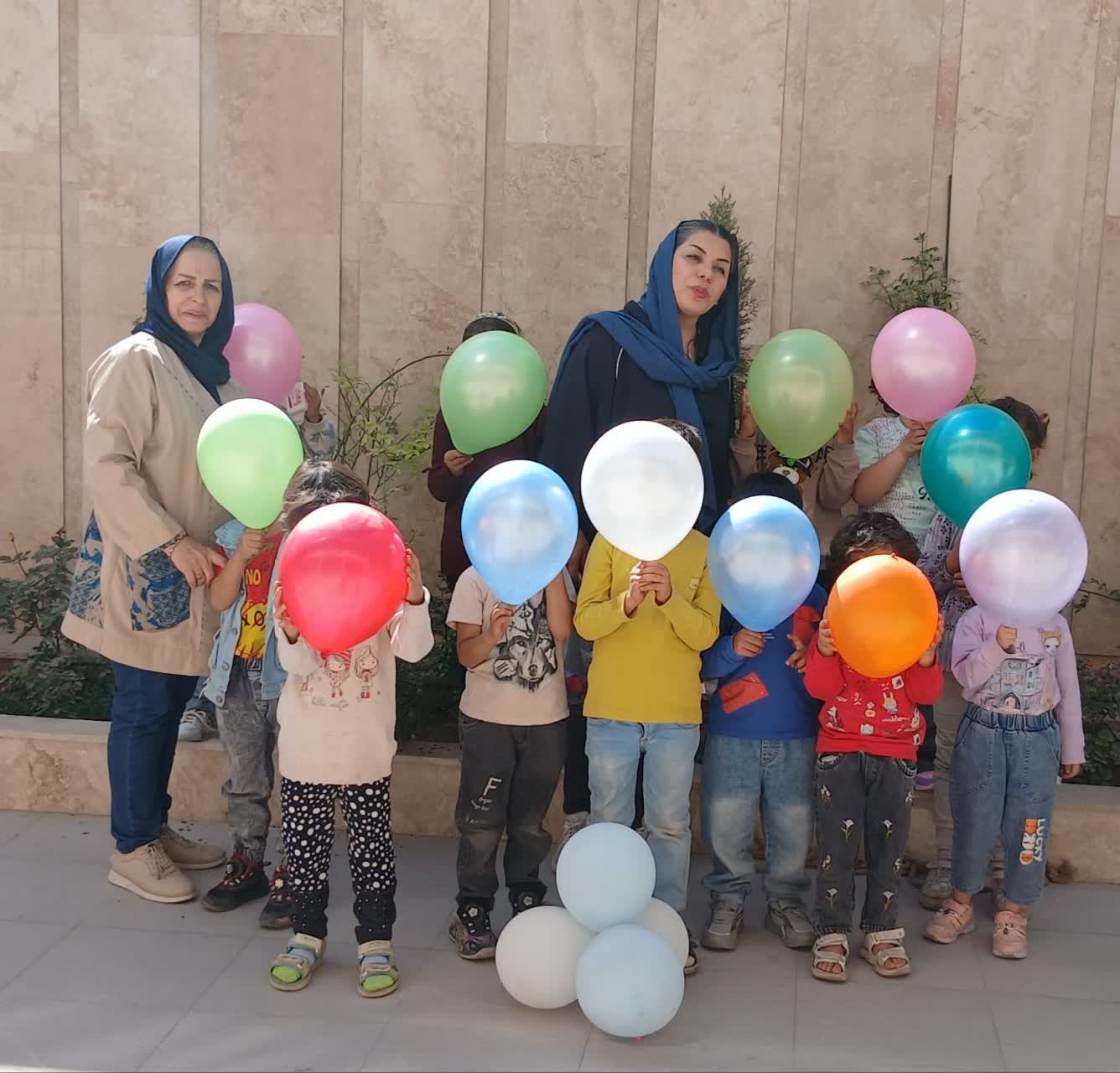
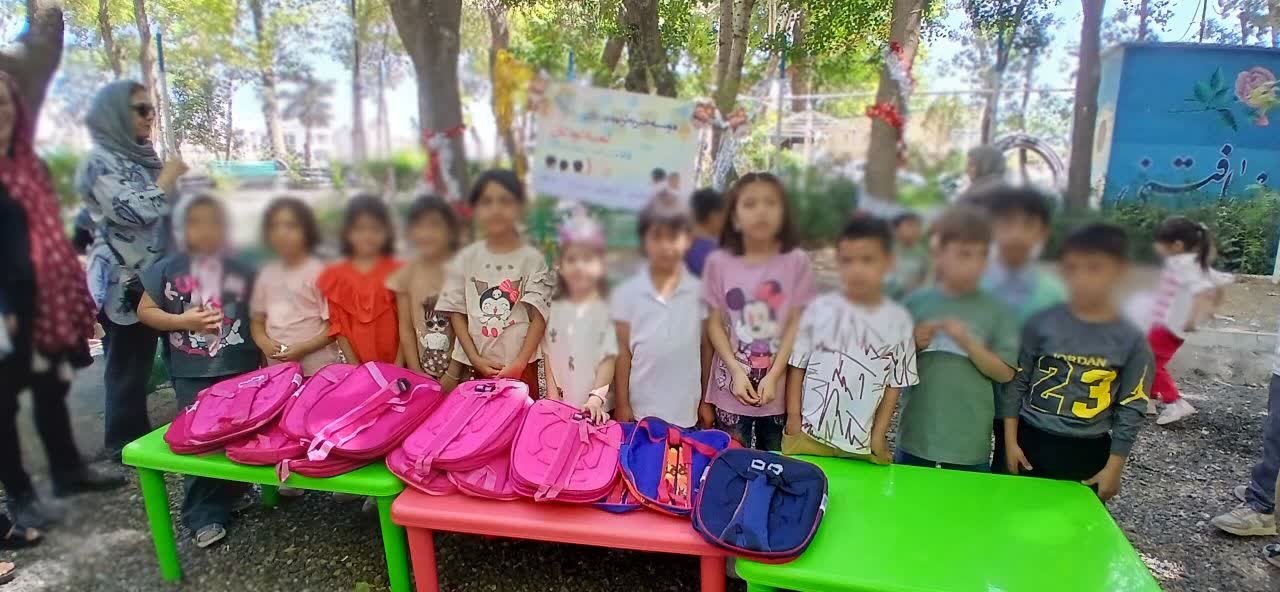
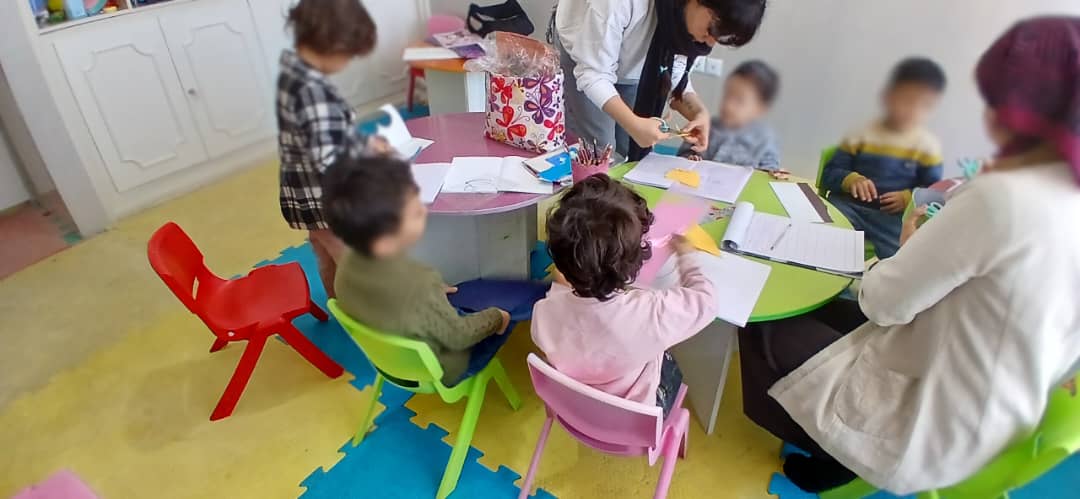
The Baran Children’s Committee was established to provide peace of mind and educational support for mothers and beneficiaries who have children under the age of 7 and wish to learn technical and vocational skills in Baran’s training workshops. Its activities are as follows:
Activities:
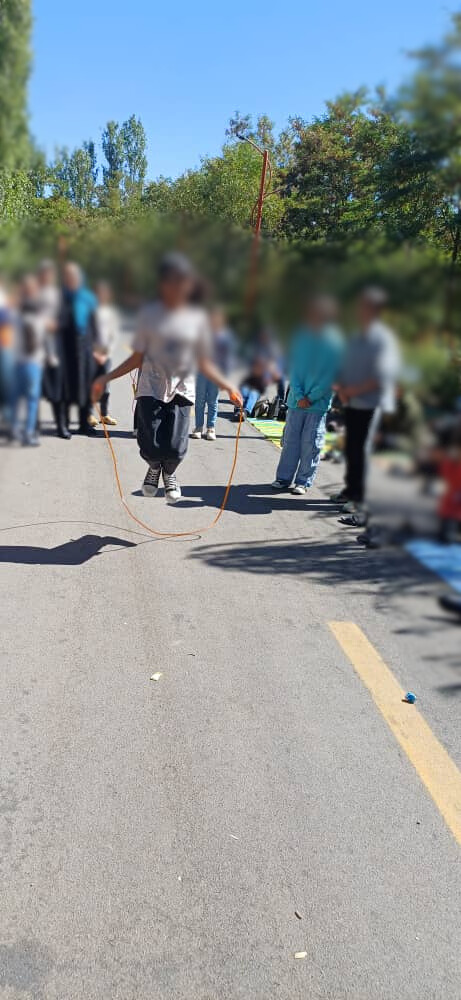
1. Teaching hands-on skills and strengthening children’s hand–eye coordination.
2. Teaching life and social skills through seven types of activities (play, painting, handicrafts, poetry, storytelling, creative drama, and language learning).
3. Identifying children’s speech and behavioral issues, referring them to the institute’s counseling unit, and addressing these problems before they enter elementary school.
4. Introducing children to national and religious holidays and occasions by holding celebrations and commemorating these events.
Introduction to the Baran Kitchen Unit
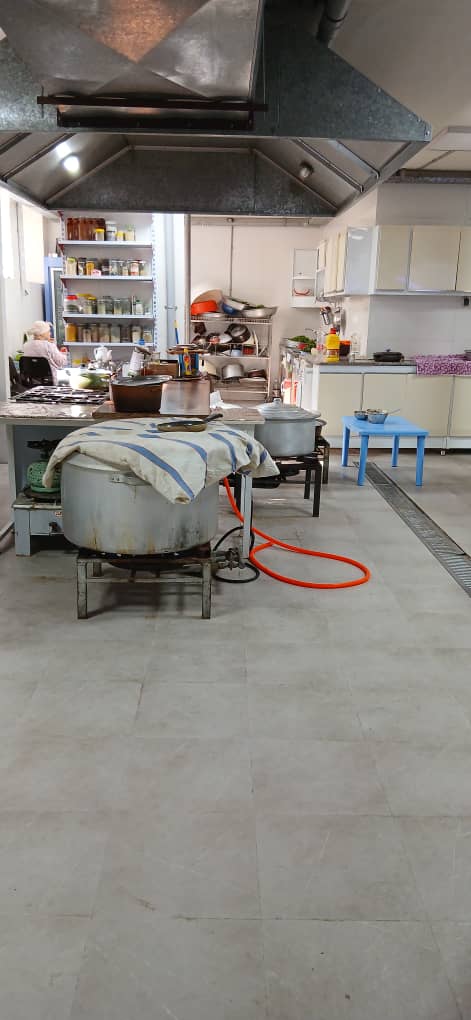
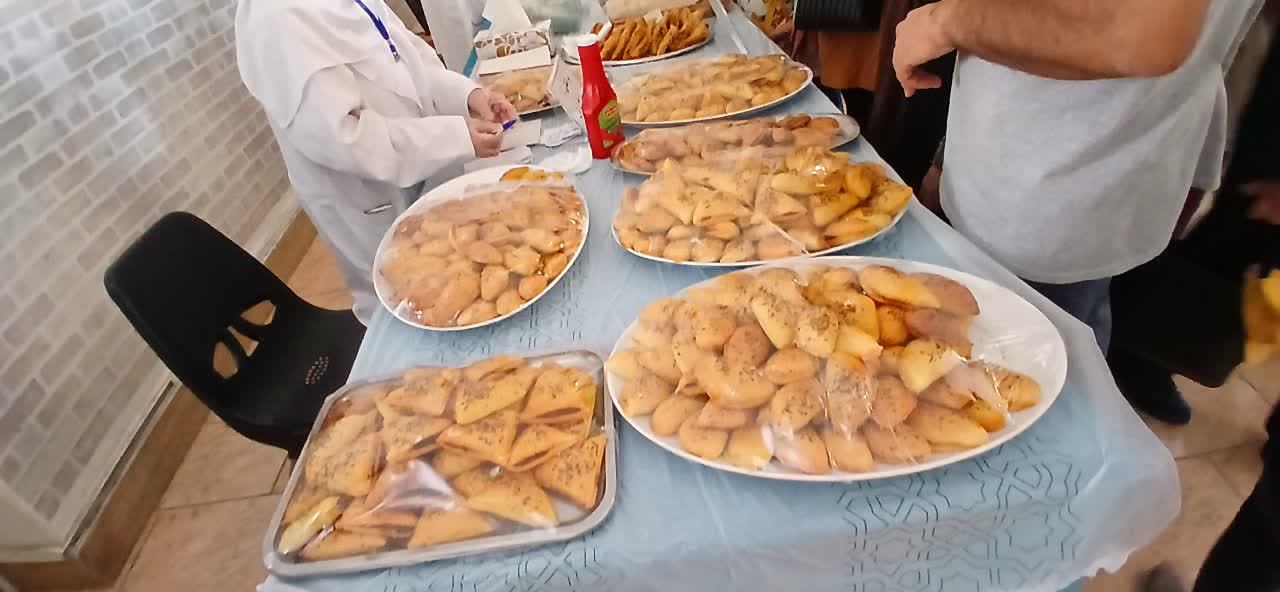
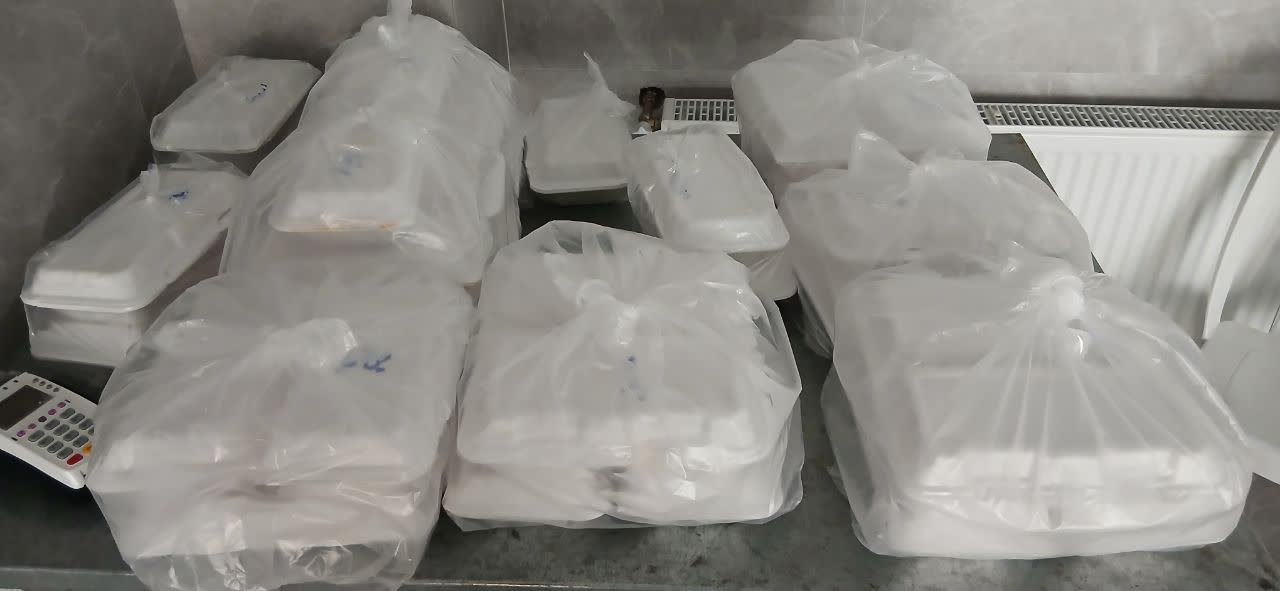
The Baran Kitchen Unit, as one of the institute’s active and efficient departments, plays an important role in providing healthy and high-quality food for various segments of the community. With an experienced team, a fully hygienic environment, and standard equipment, this unit offers a wide range of services both on a daily basis and for special occasions.
Duties and Activities
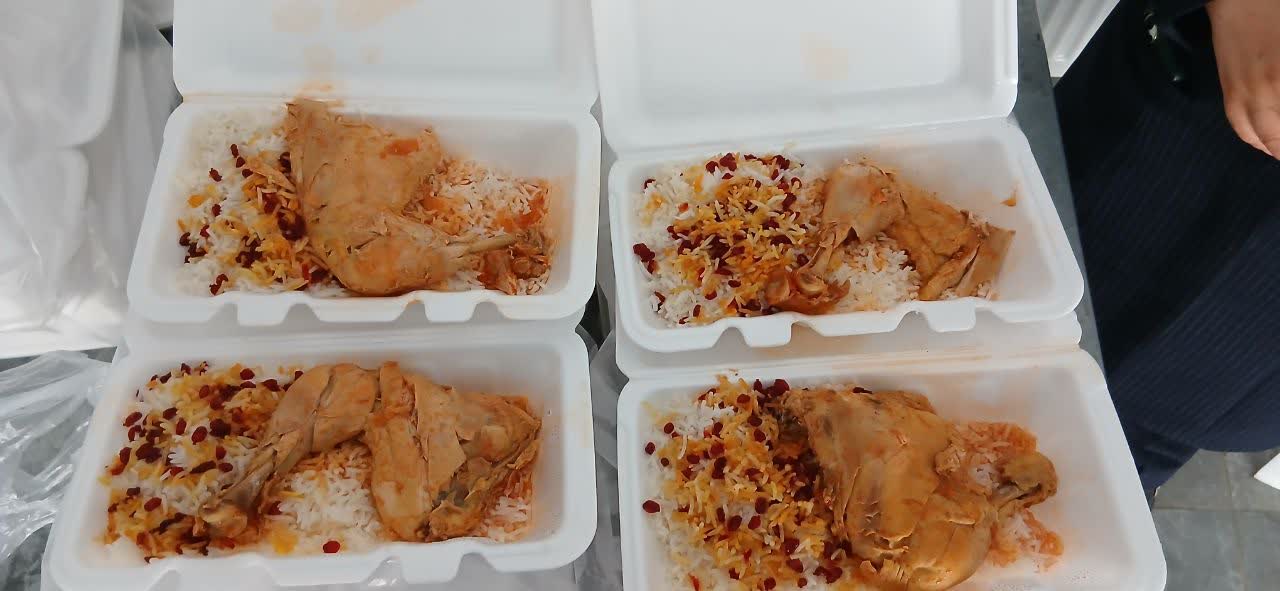
Preparing and cooking meals for beneficiaries, including supported families, the elderly, students, and preschool children.
Cooking and delivering meals for two contracted companies on a regular and professional basis.
Preparing nazri (charitable) meals based on public donations and distributing them among beneficiaries.
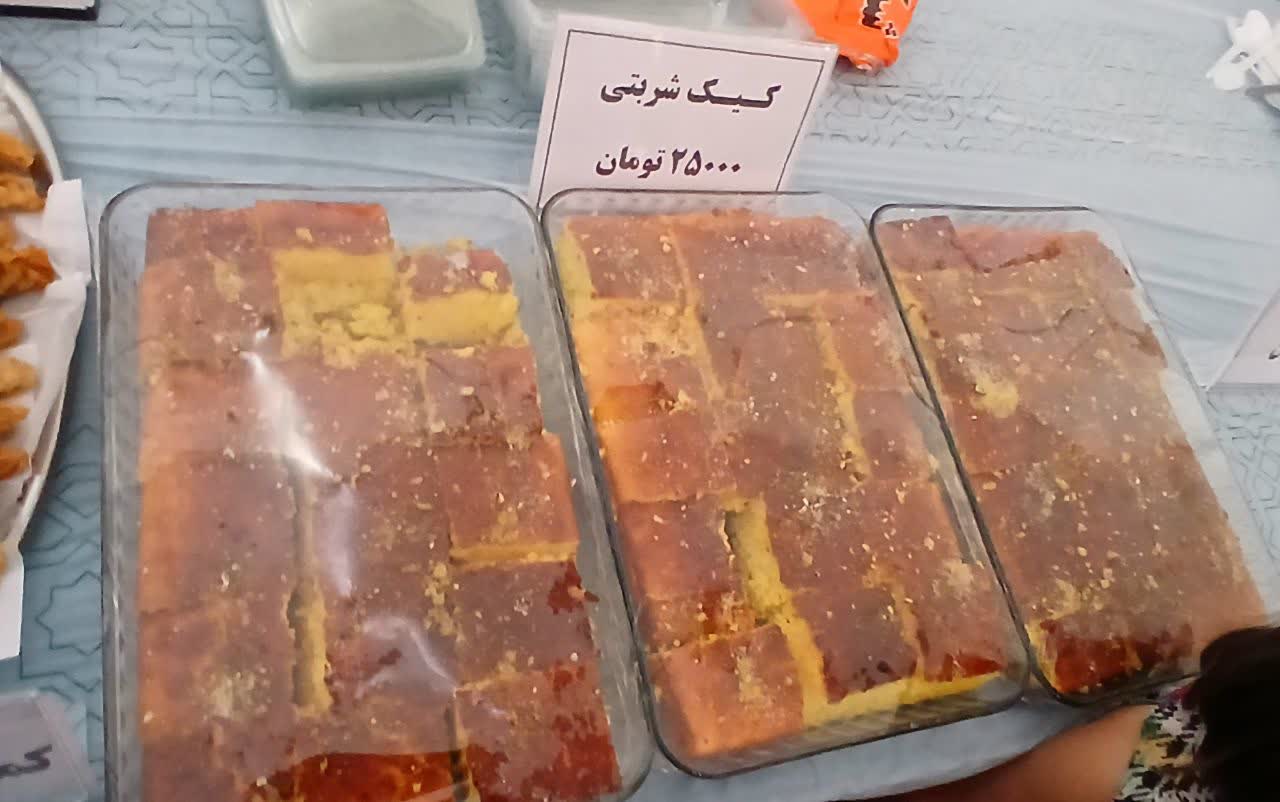
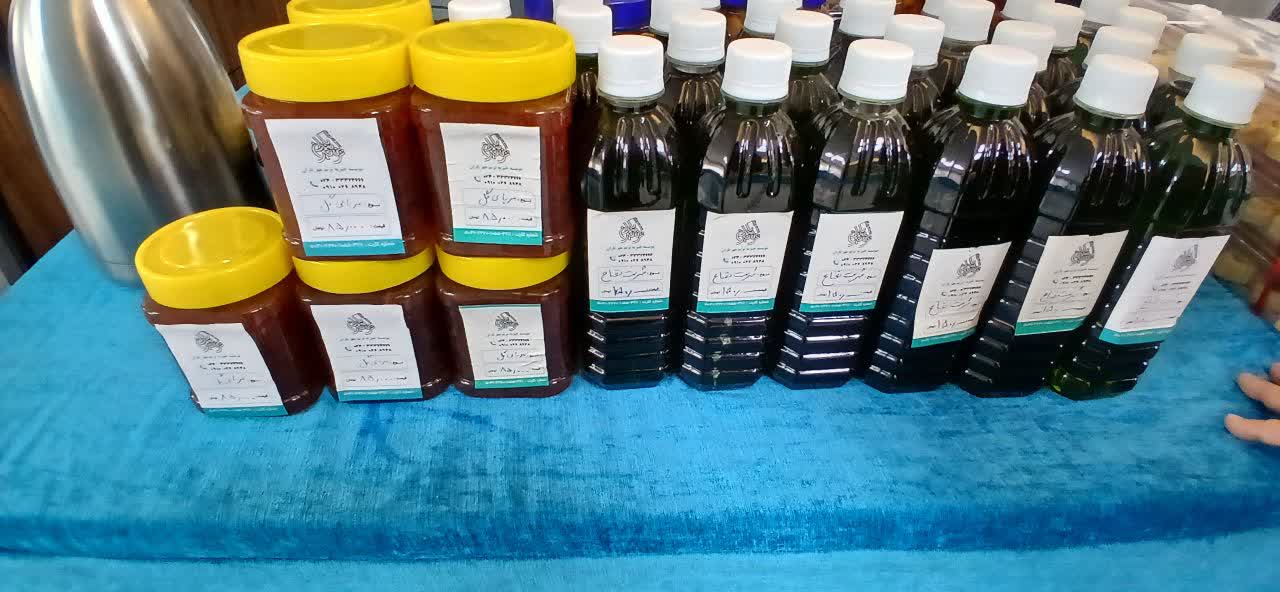
Organizing food festivals every few months and selling products to support beneficiaries.
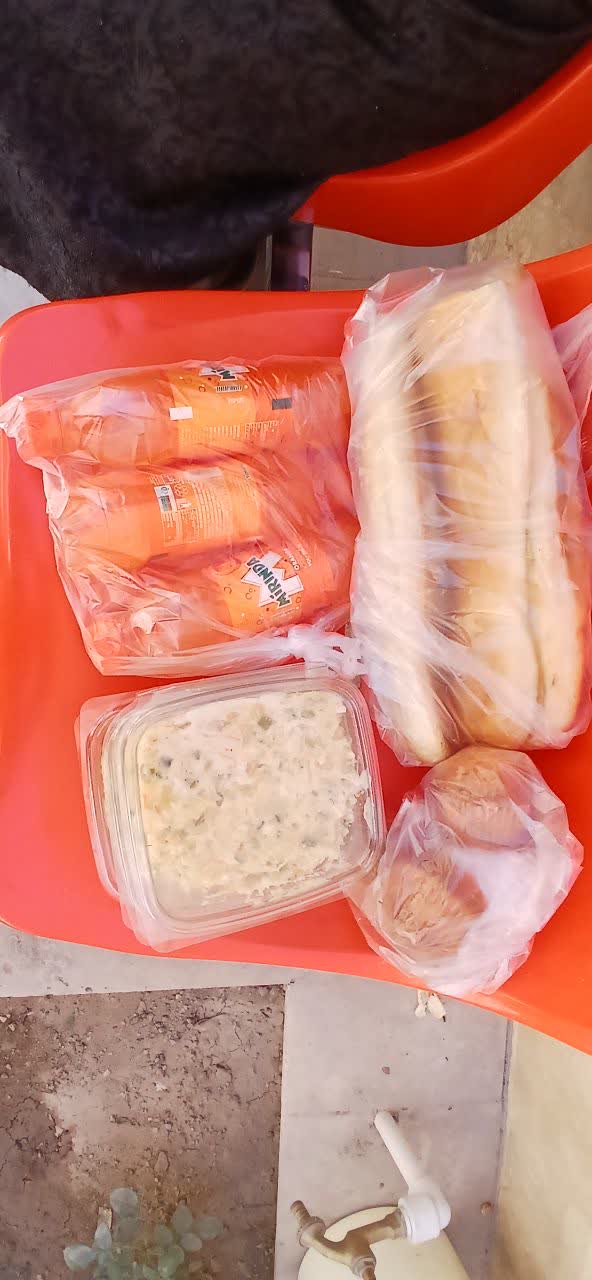
Preparing catering packs for ceremonies and conferences with hygienic and attractive packaging.
Accepting catering orders for events and gatherings and preparing a variety of high-quality Iranian and traditional banquet dishes.
Collaborating with other departments of the institute to provide meals for various programs and occasions.
Features and Strengths
Using fresh and high-quality ingredients at every stage of cooking.
Employing skilled and well-trained staff.
Full compliance with health and hygiene standards in preparation, cooking, packaging, and distribution.
Ability to produce large quantities of meals in a short time.
A diverse menu and flexibility in preparing different types of meals.
Active participation in charitable and social programs, especially food donations (nazr) and food festivals.
Strong commitment to providing high-quality yet affordable meals for underserved communities.
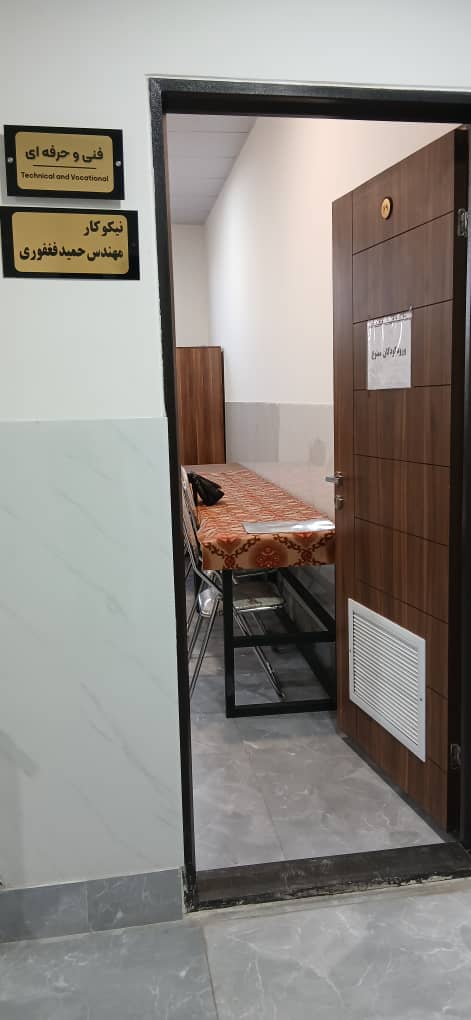
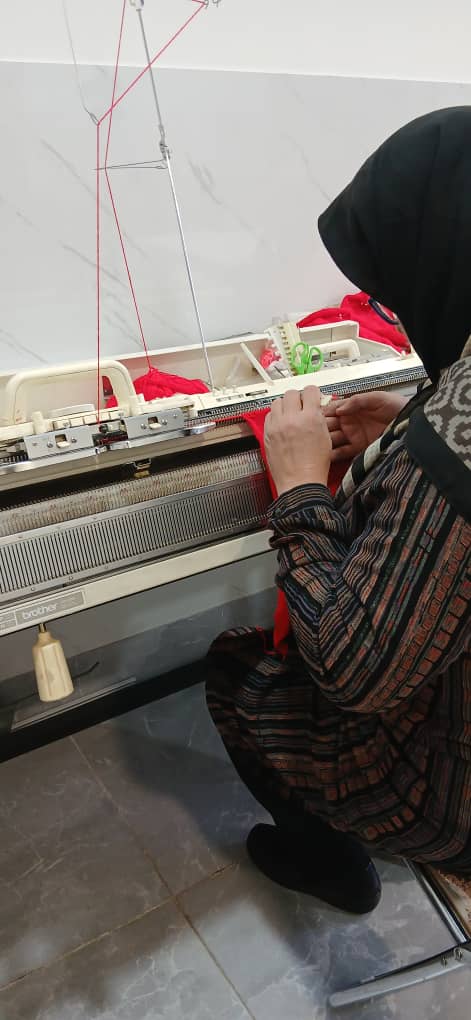
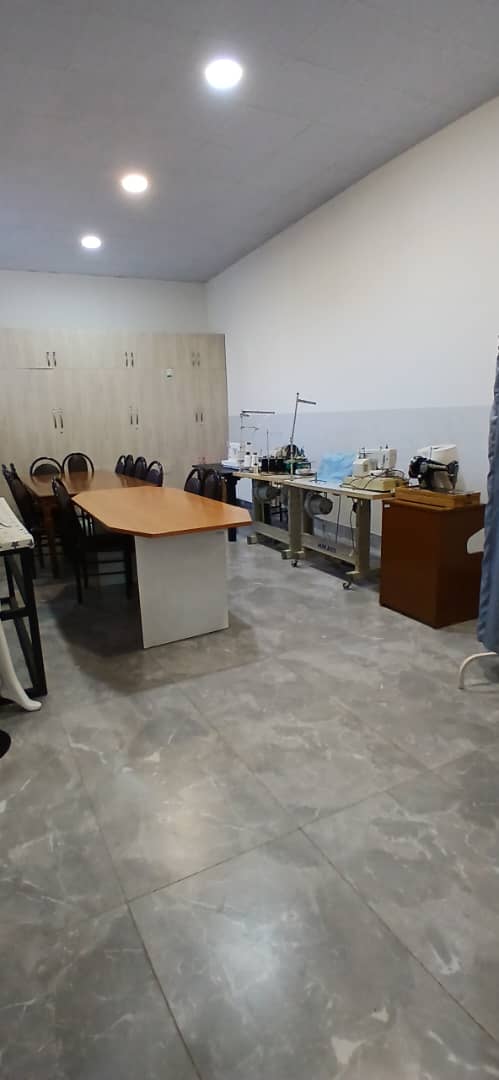
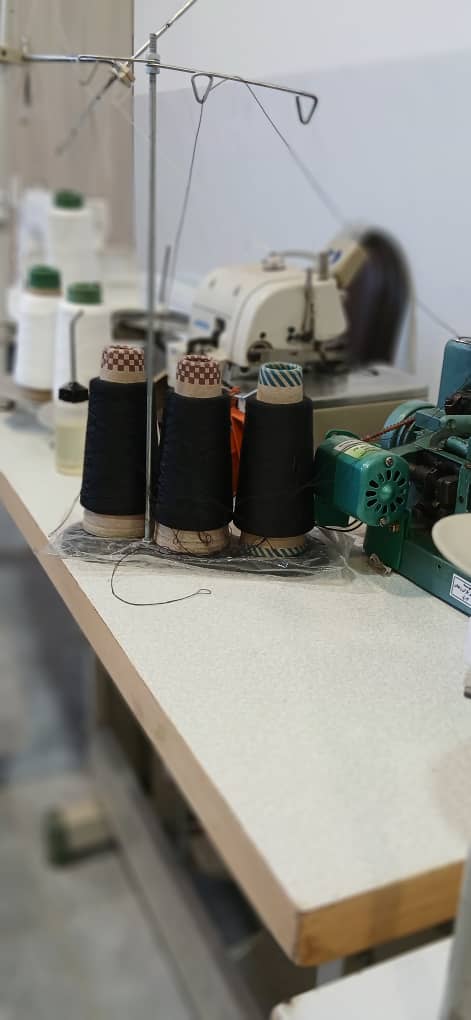
Goals and Activities of the Technical and Vocational Training Unit
Goals and Activities of the Technical and Vocational Training Unit
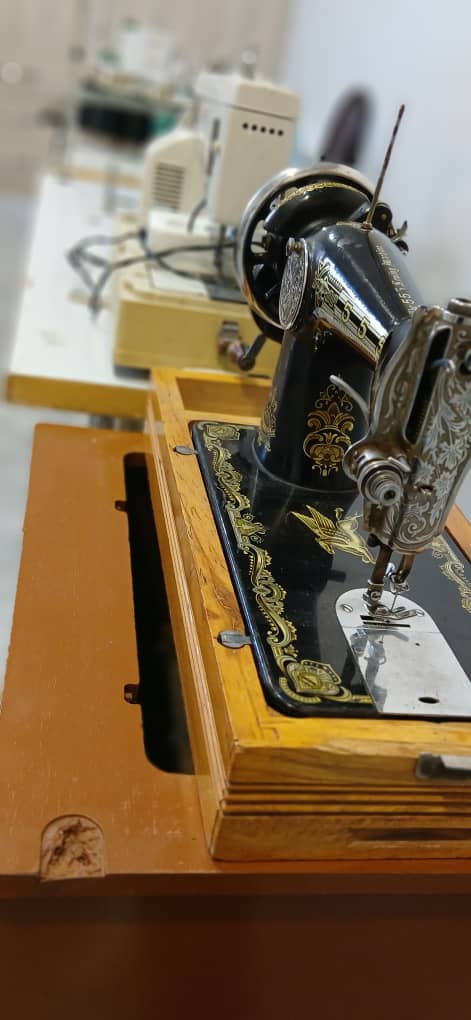
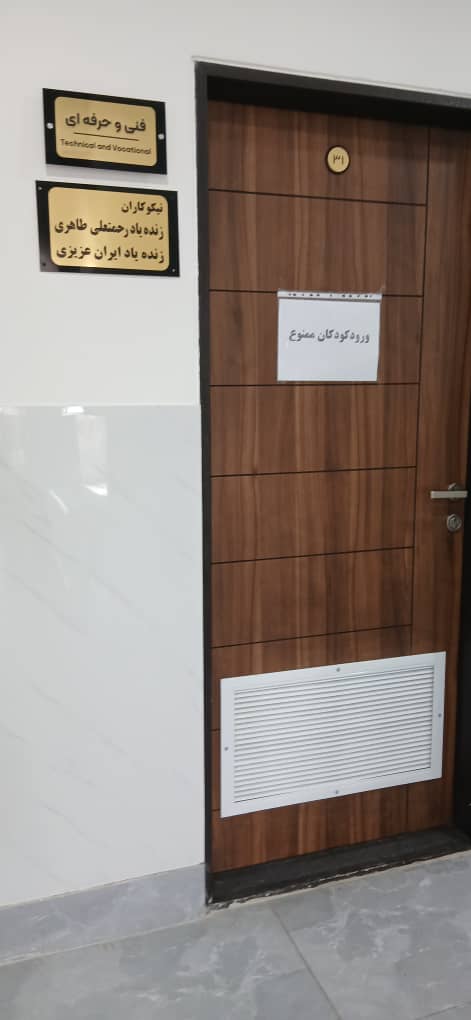
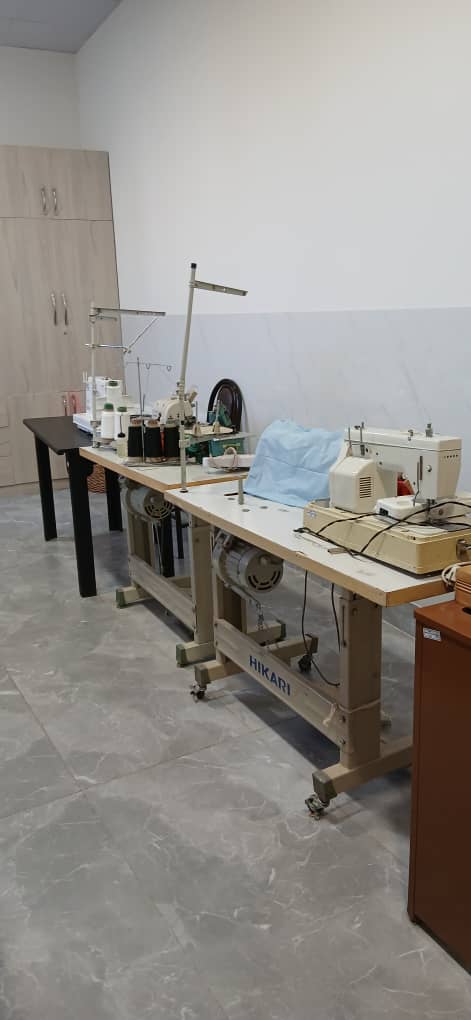
1. Establishing skills-training classes and building capabilities in line with the institute’s goals.
2. Supporting employment opportunities to help beneficiaries earn income.
3. Referring trainees to the Provincial Technical and Vocational Organization to participate in provincial examinations and obtain official technical and vocational certificates.
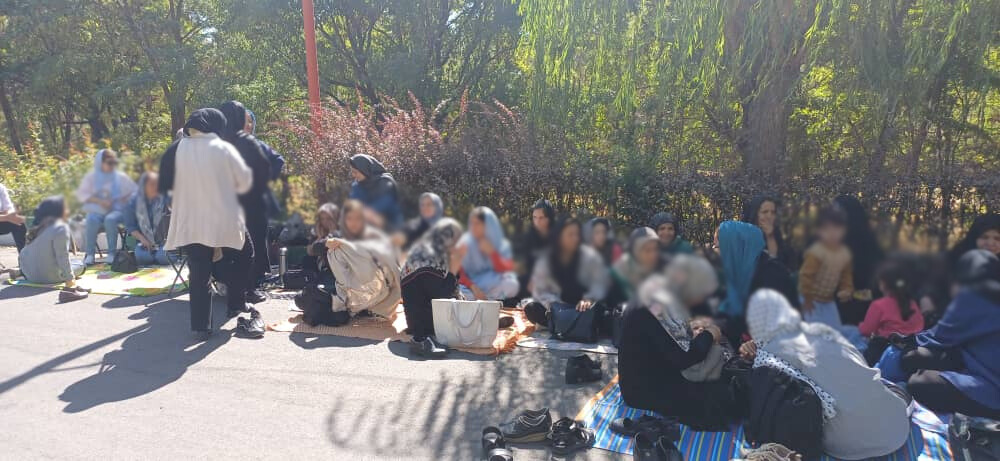
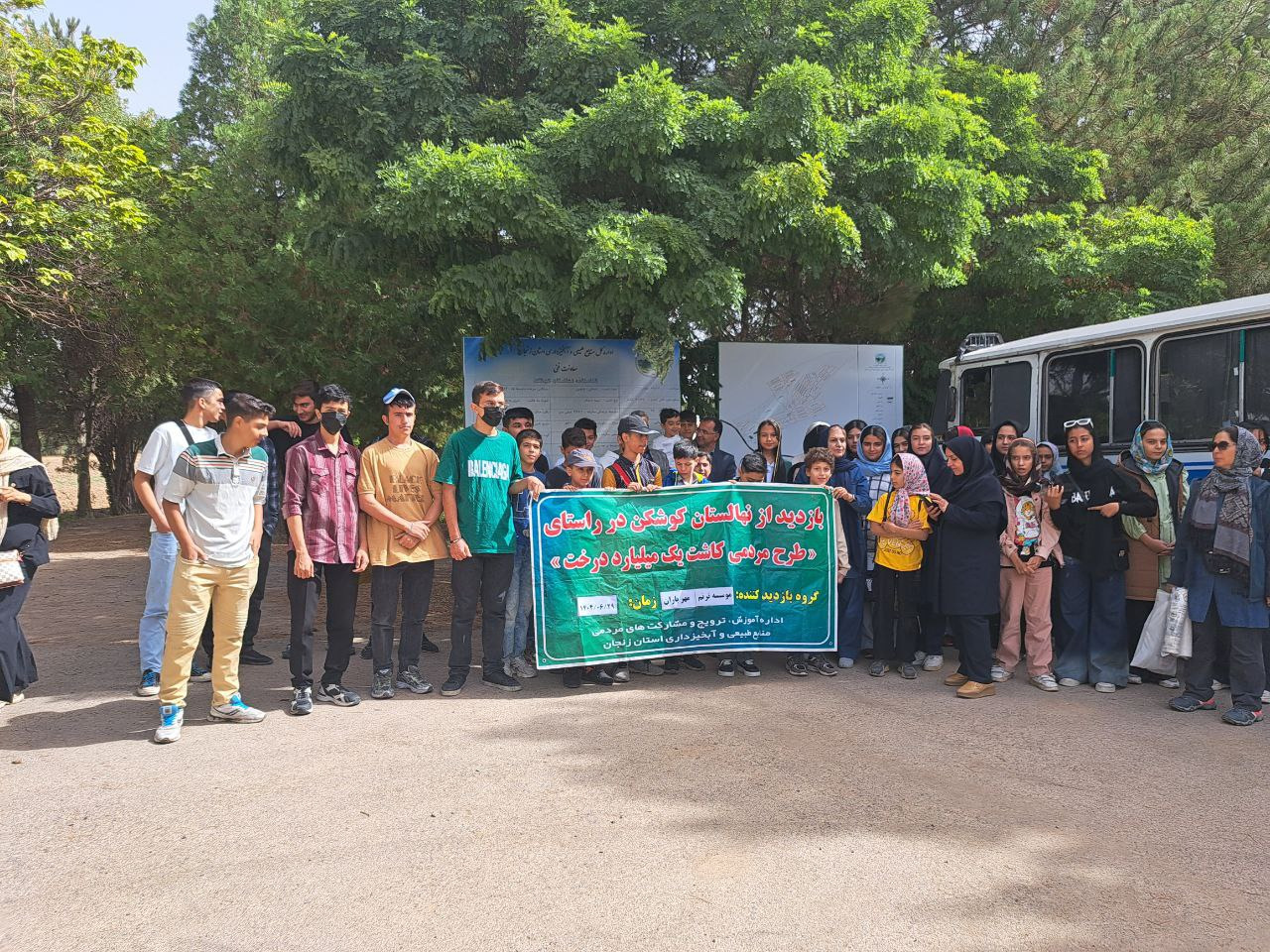
4. Organizing recreational and sightseeing programs for beneficiaries attending vocational training classes.
5. Holding skills-training classes for students, providing a learning environment, identifying outstanding talents as potential instructors/trainers, and encouraging them to generate income.
6. Organizing mother-and-child classes in technical and vocational fields.
7. Referring talented trainees to private training centers for further education and advanced learning.
Goals and Activities of the Health and Medical Care Unit
Goals and Activities of the Health and Medical Care Unit
1. Creating health records by specialists and completing health assessment forms.
2. Referring beneficiaries to medical centers, physicians, dentists, etc., after identifying physical health issues.
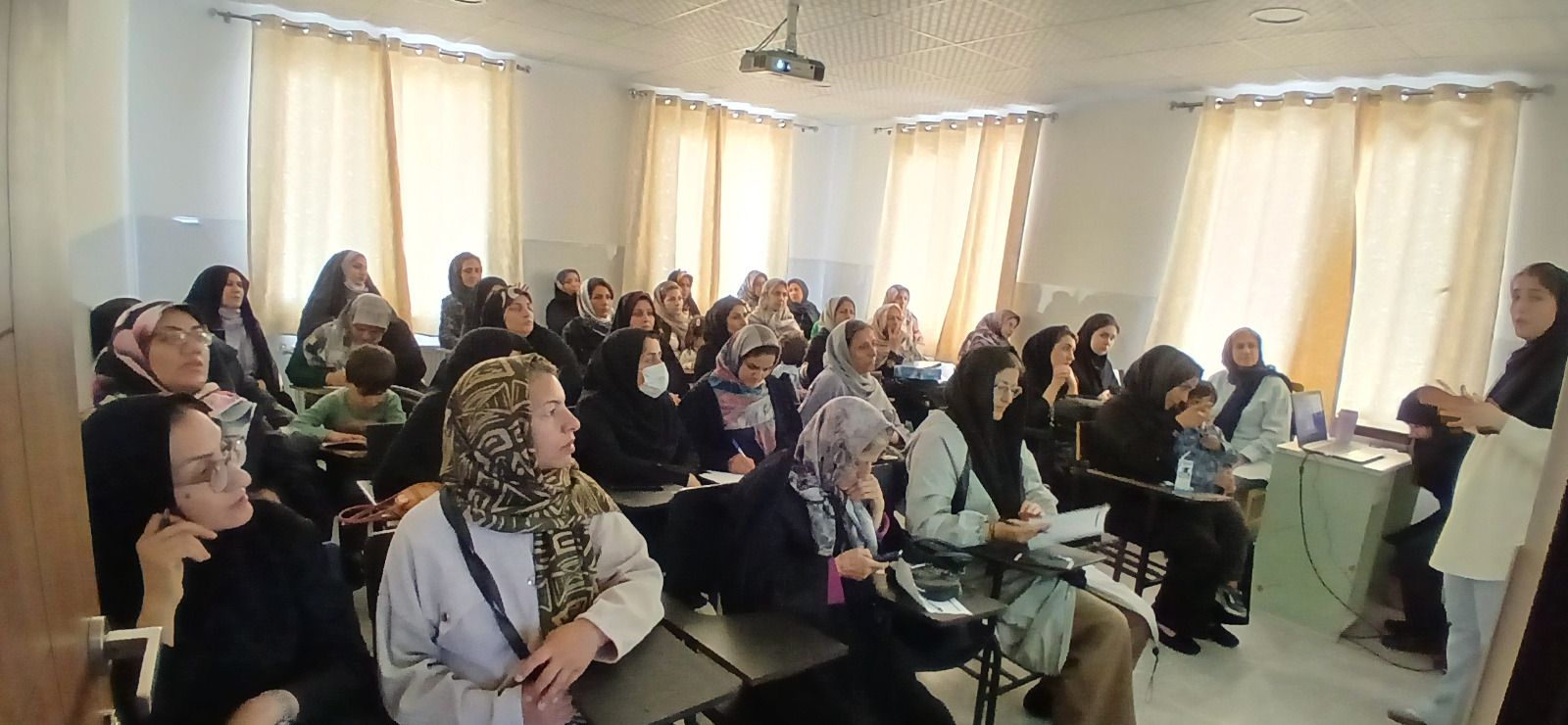
3. Providing individual and group health education by specialists and doctors.
4. Cooperating with the University of Medical Sciences to facilitate internship and practicum programs for medical students.
5. Visiting beneficiaries’ homes and providing education on personal and environmental hygiene.
6. Having specialists attend vocational training classes and teaching occupational health.
7. Teaching healthy nutrition to beneficiaries through nutrition experts.
8. Distributing vitamin D, calcium tablets, iron supplements, and other necessary supplements when needed.
9. Referring beneficiaries over the age of 40 for annual check-ups, mammography, and follow-up care when necessary.
10. Promoting environmental protection through both theoretical and practical training.
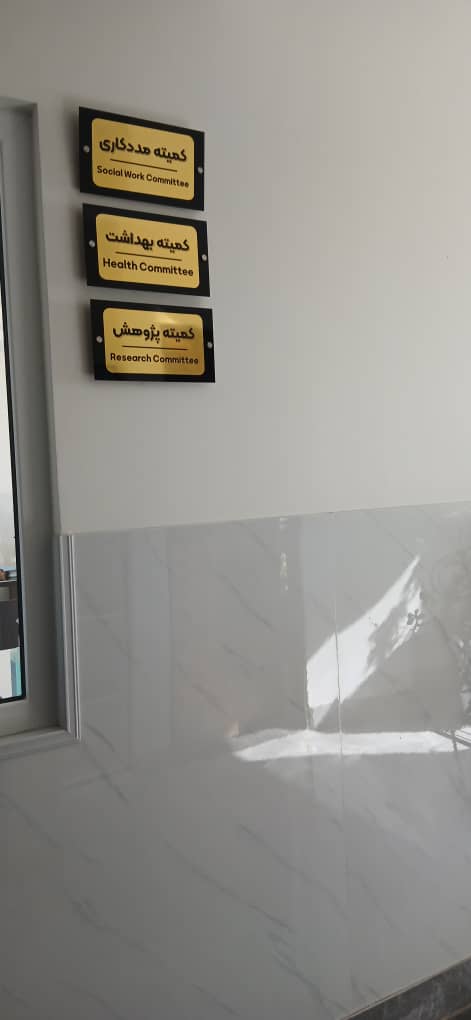
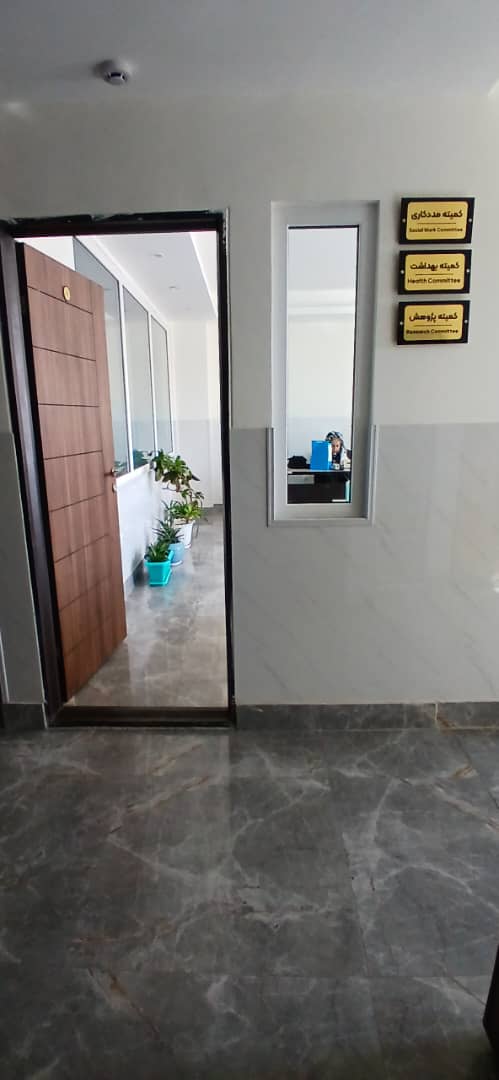
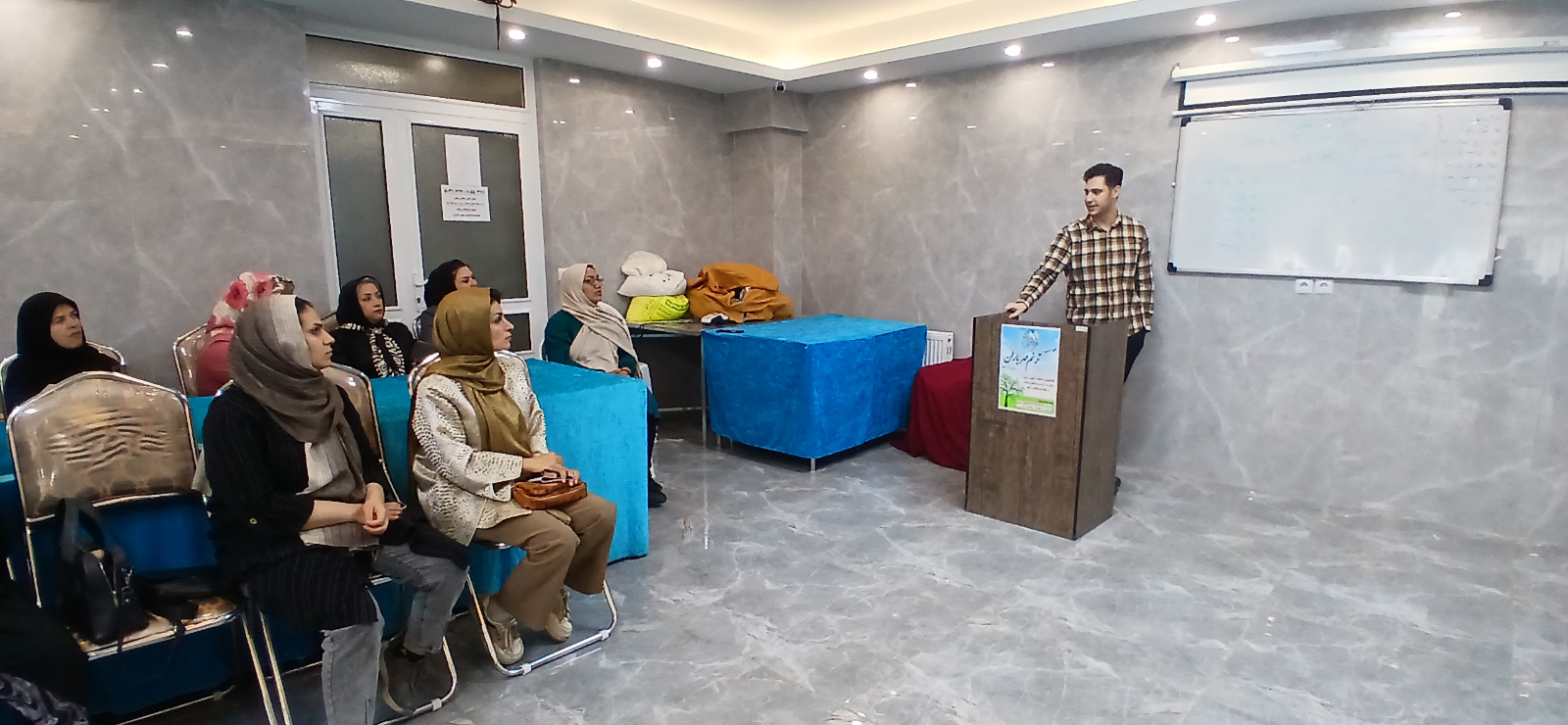
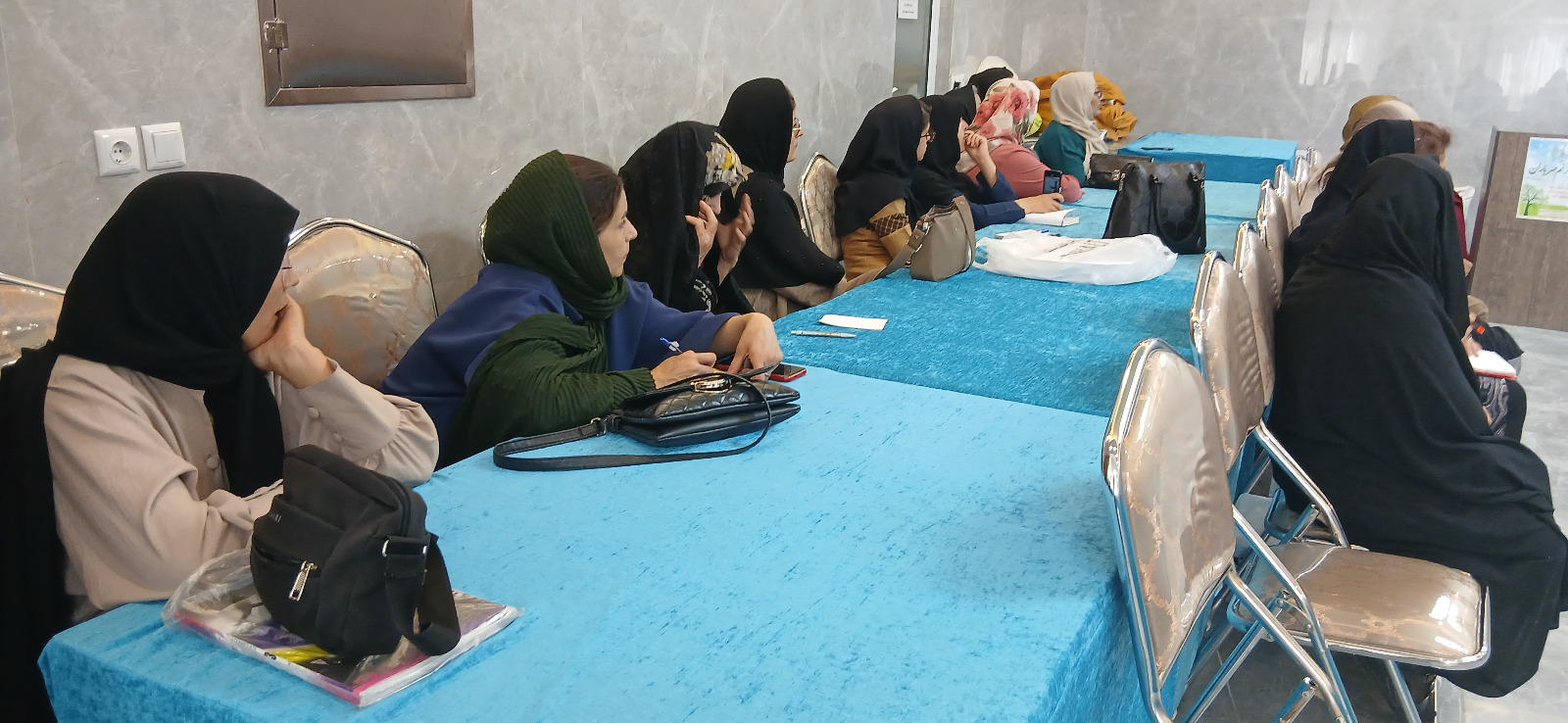
Research and Continuing Education Committee of the Taranom Mehr Baran Institute
Research and Continuing Education Committee of the Taranom Mehr Baran Institute:
Scientific and Applied Research: Conducting specialized studies on social harms—especially in the areas of female heads of household and working children—with the aim of proposing effective solutions for their empowerment.
Data Collection and Analysis: Continuously monitoring the status of beneficiaries and the institute’s programs in order to improve service quality and support evidence-based decision-making.
Academic and Professional Collaboration: Establishing partnerships with universities, research centers, and specialists to benefit from up-to-date knowledge and scientific experience.
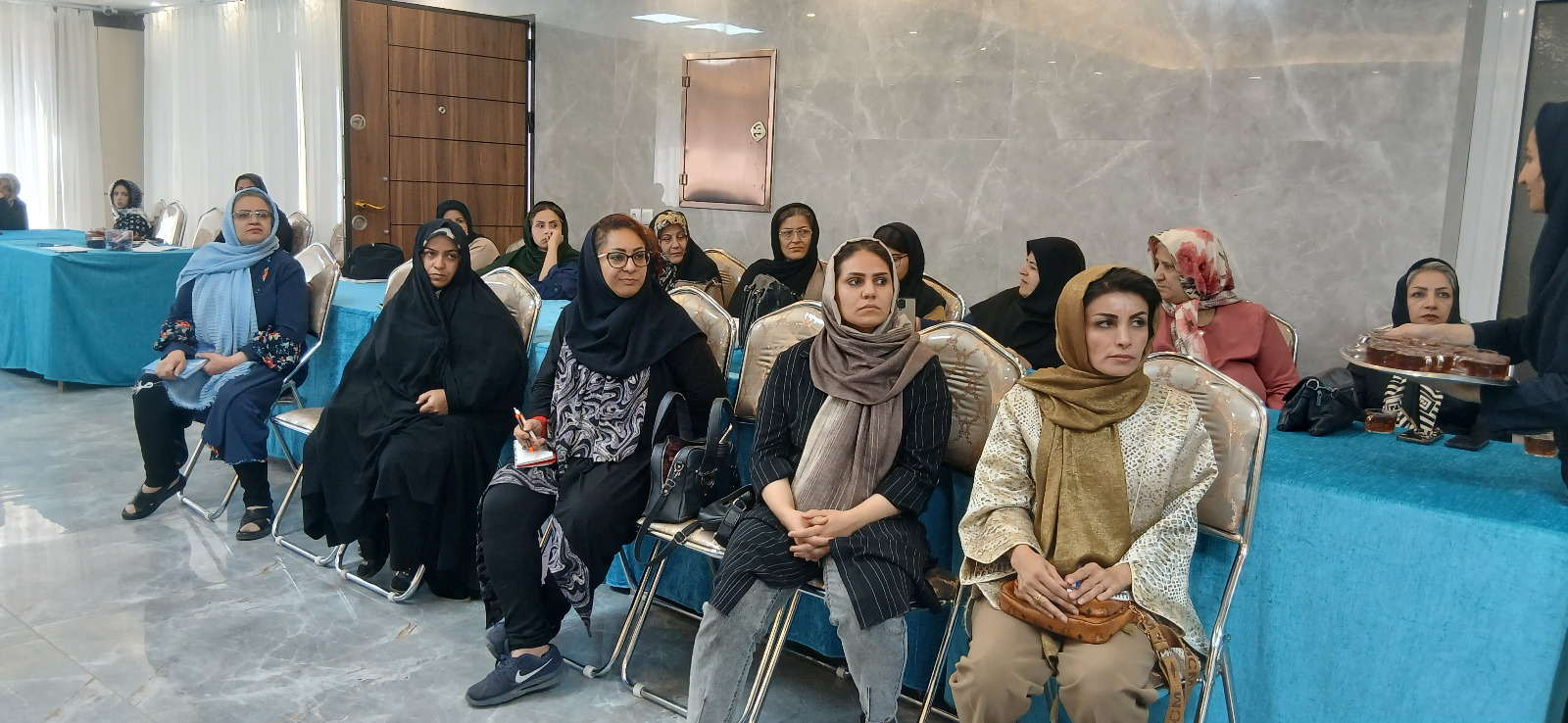
Training and Continuing Education Planning: Designing and holding courses and workshops for staff, social workers, volunteers, and target groups to enhance skills and professional knowledge.
Evaluation and Continuous Improvement: Measuring the effectiveness of research and training programs and applying the results to improve the institute’s processes and services.
Dissemination of Findings: Preparing and presenting research and training reports to support policy-making and public awareness.
Mission and Vision
The Research and Continuing Education Committee of the Taranom Mehr Baran Institute works to generate knowledge, promote continuous learning, and improve the quality of social services and empowerment programs. Through scientific research and targeted training, the committee strives to create a foundation for informed decision-making and the sustainable development of charitable activities.
Description of the Services Provided by the Counseling Committee
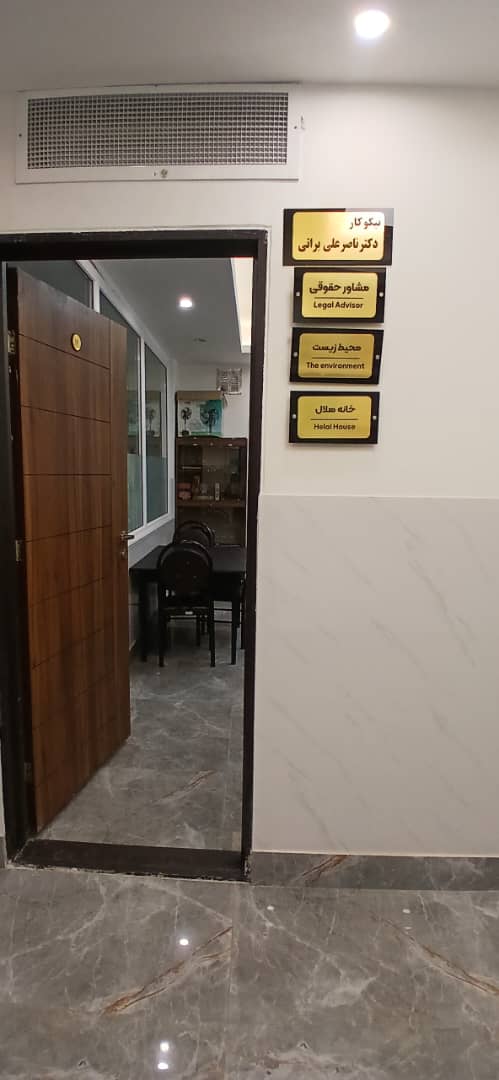
The Counseling Center of the Taranom Mehr Baran Charity Institute operates with the aim of promoting mental health and improving the quality of life for vulnerable families, female heads of household, and women in unstable or unsupported family situations. With the support of a team of psychologists, counselors, and therapists specializing in various fields, the center provides the following professional services in a fully supportive manner:
Our Specialized Service Areas
1. Individual and Psychological Counseling
Providing counseling and psychotherapy services for mothers and children to help manage stress, anxiety, and depression, and to strengthen coping skills.
2. Child and Adolescent Counseling
Assessing and treating behavioral and emotional issues, fears, communication disorders, and promoting self-esteem in children and adolescents.
3. Educational Counseling
Providing solutions to improve academic performance, manage exam stress, and address learning difficulties.
4. Academic Guidance, Talent Assessment, and Major Selection
Providing counseling services and specialized workshops for students at all levels, including exam preparation counseling and academic planning.
5. Family Counseling and Couples Therapy
Helping improve relationships and resolve conflicts within families and between couples.
6. Assessment and Treatment of Learning Disorders
Identifying learning disorders and providing specialized treatment plans for children with learning disabilities.
7. Speech Therapy
Diagnosing and treating speech disorders, speech and language delays, and pronunciation difficulties in children.
8. Psychosocial Support
Holding training workshops on life skills, parenting, sexual education, and psychological empowerment for mothers and children, with the aim of teaching emotion regulation, assertiveness, problem-solving, and effective communication.
9. Child and Adolescent Programs
Specialized workshops on anger management, social skills, self-esteem, problem-solving, and related topics.
Our Ultimate Goal
To create a safe and professional environment to further empower our valued mothers and children, so that by relying on their inner strengths and abilities, they can take confident steps toward a brighter future.
Duties and Responsibilities of the Counselors and Psychologists at the Taranom Mehr Baran Institute
Duties and Responsibilities of the Counselors and Psychologists at the Taranom Mehr Baran Institute
1. Providing individual counseling in the following areas:
Adjustment counseling (disorders and other related issues)
Career counseling
Educational counseling
Child and adolescent counseling
2. Providing family counseling to promote family well-being and offering therapeutic interventions to address harmful factors.
3. Providing premarital and marriage counseling.
4. Treating marital conflicts.
5. Divorce prevention and counseling for couples in the process of divorce.
6. Counseling on child-rearing and parenting.
7. Family therapy to help treat illnesses and issues caused by family structure.
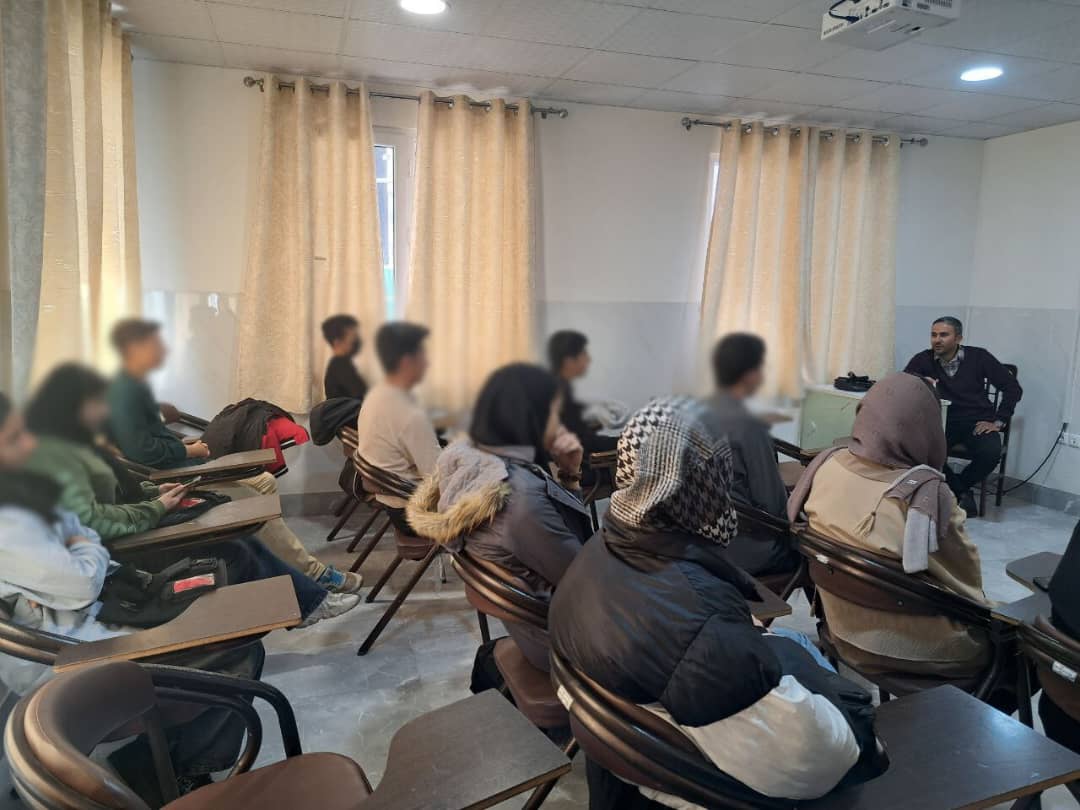
8. Group counseling sessions.
Conducting educational, supportive, communication, social, and cultural sessions aimed at preventing social harms and improving mental health.
9. Preparing educational booklets and brochures for the general public.
10. Referring special cases to a psychiatrist when necessary.
Duties and Responsibilities of the Academic Education Unit
Duties and Responsibilities of the Academic Education Unit
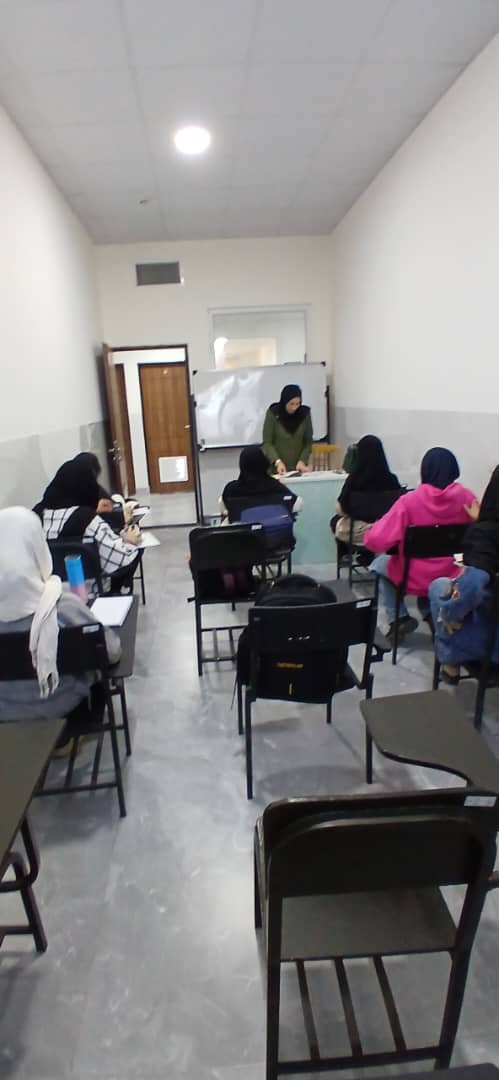
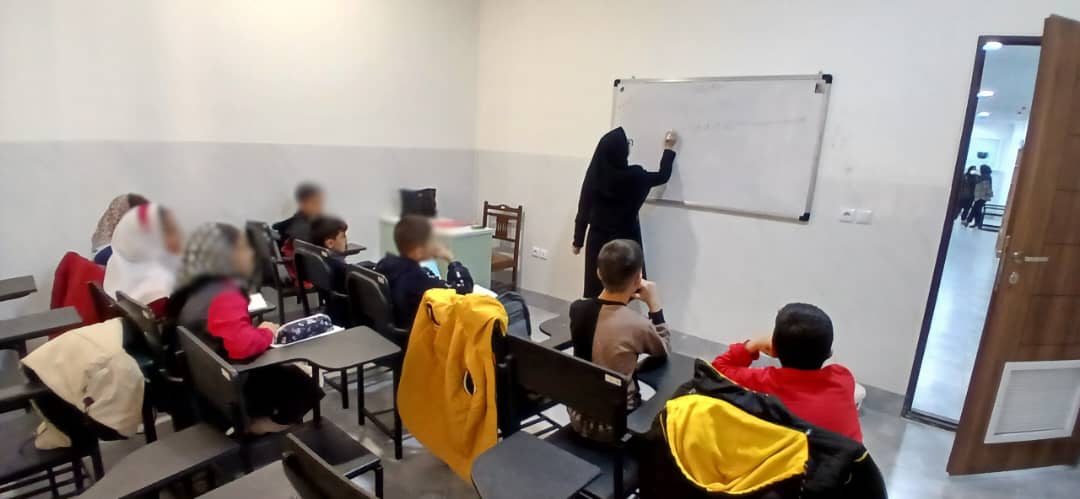
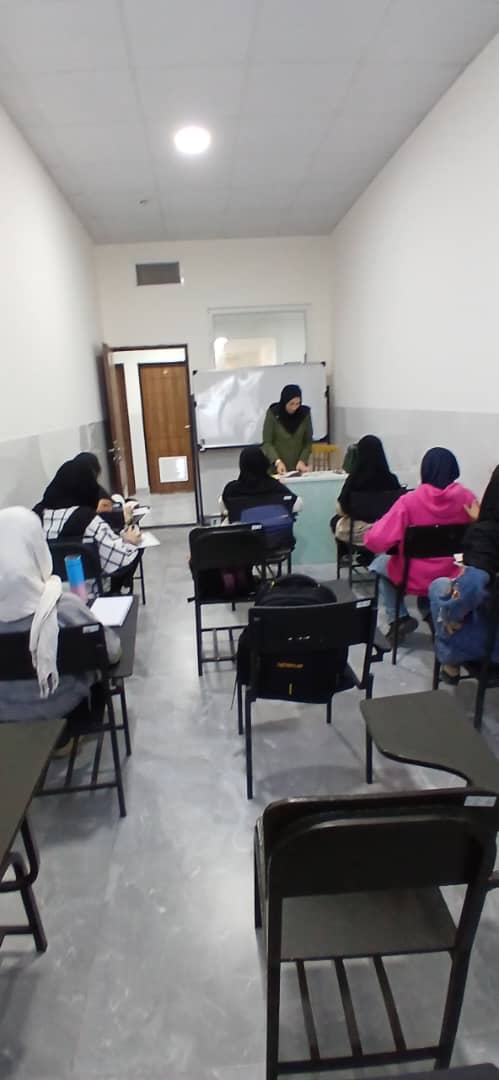
1. Interviewing referred students and enrolling students in need.
2. Planning and organizing classes.
3. Referring students to the research team to assess their financial situation.
4. Following up on students’ academic progress.
5. Referring students to the psychological and academic counseling unit.
6. Recruiting teachers to conduct the classes.
7. Reporting educational needs to management.
8. Creating student files, including academic records, counseling records, health records, sports, arts, and vocational training files.
9. Collaborating with other units and sponsors to cover students’ expenses.
10. Communicating with schools to cooperate and follow up on planned programs.
11. Identifying talented students in order to provide them with necessary resources and facilities.
12. Referring students with learning disorders to the counseling unit.
Duties and Responsibilities of the Employment Unit
Duties and Responsibilities of the Employment Unit
1. Job placement in collaboration with an employment center.
2. Entrepreneurship in various fields based on market needs.
3. Following up on individuals referred to workplaces.
4. Communicating with employers in coordination with the CEO.
5. Connecting with the market and conducting marketing activities to sell the products made by beneficiaries in need.
Duties and Responsibilities of the Elderly Unit
Duties and Responsibilities of the Elderly Unit
1. Creating files for elderly beneficiaries after conducting an assessment.
2. Assessing their needs and reporting them to the welfare and services unit.
3. Assigning a sponsor (adoptive supporter) for each elderly person.
4. Determining each elderly person’s monthly needs.
5. Providing support for needs such as rent, medication, medical care, and nutrition, based on their requirements.
6. Implementing cultural and recreational programs for the elderly.

